Wedding Timeline Tips: How to Plan the Perfect Wedding Day Timeline
Why Wedding Timeline Tips Matter More Than You Think
One of the biggest pieces of advice I give couples is that a well planned timeline can completely change how your wedding day feels. After photographing weddings for years as an Oregon wedding photographer, I have seen firsthand how the right schedule keeps a day relaxed, smooth, and enjoyable. These wedding timeline tips come from building hundreds of timelines and helping couples avoid unnecessary stress.
One of the most common misconceptions when planning your wedding timeline is how long things actually take. Couples often assume details, getting ready, or family photos will move quickly. However, these parts of the day almost always take longer than expected. Without enough time built in, the timeline can quickly start to feel rushed.
A thoughtful wedding day timeline does more than organize your day. It creates space for real moments to happen naturally. In addition, it gives you time to be present, enjoy your people, and actually experience the day you worked so hard to plan.
Below are some of my most important wedding timeline tips to help you understand how to make a wedding day timeline that flows well, reduces stress, and allows time for the moments that matter most.
Wedding Timeline Tips Every Couple Should Know Before Finalizing Their Schedule
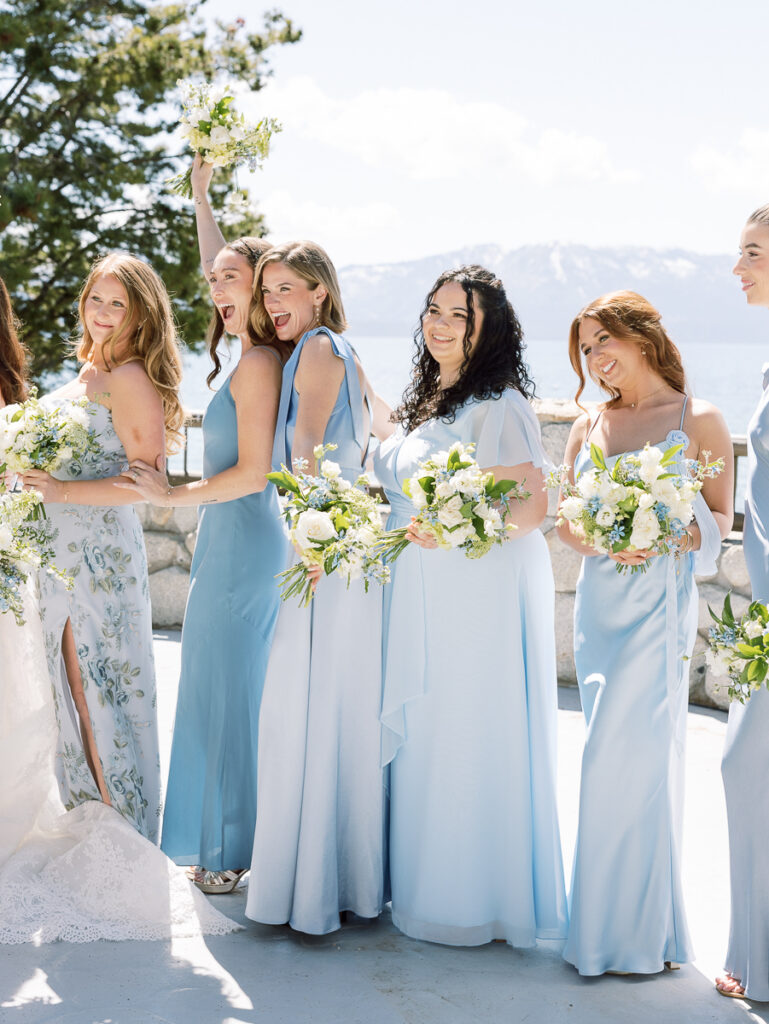
Creating a wedding timeline is not just about listing events in order. A strong timeline allows breathing room, protects important moments, and helps your entire vendor team work together efficiently. These wedding timeline tips come directly from real wedding day experience and can help you avoid some of the most common timeline mistakes.
Allow Enough Time for Wedding Detail Photos
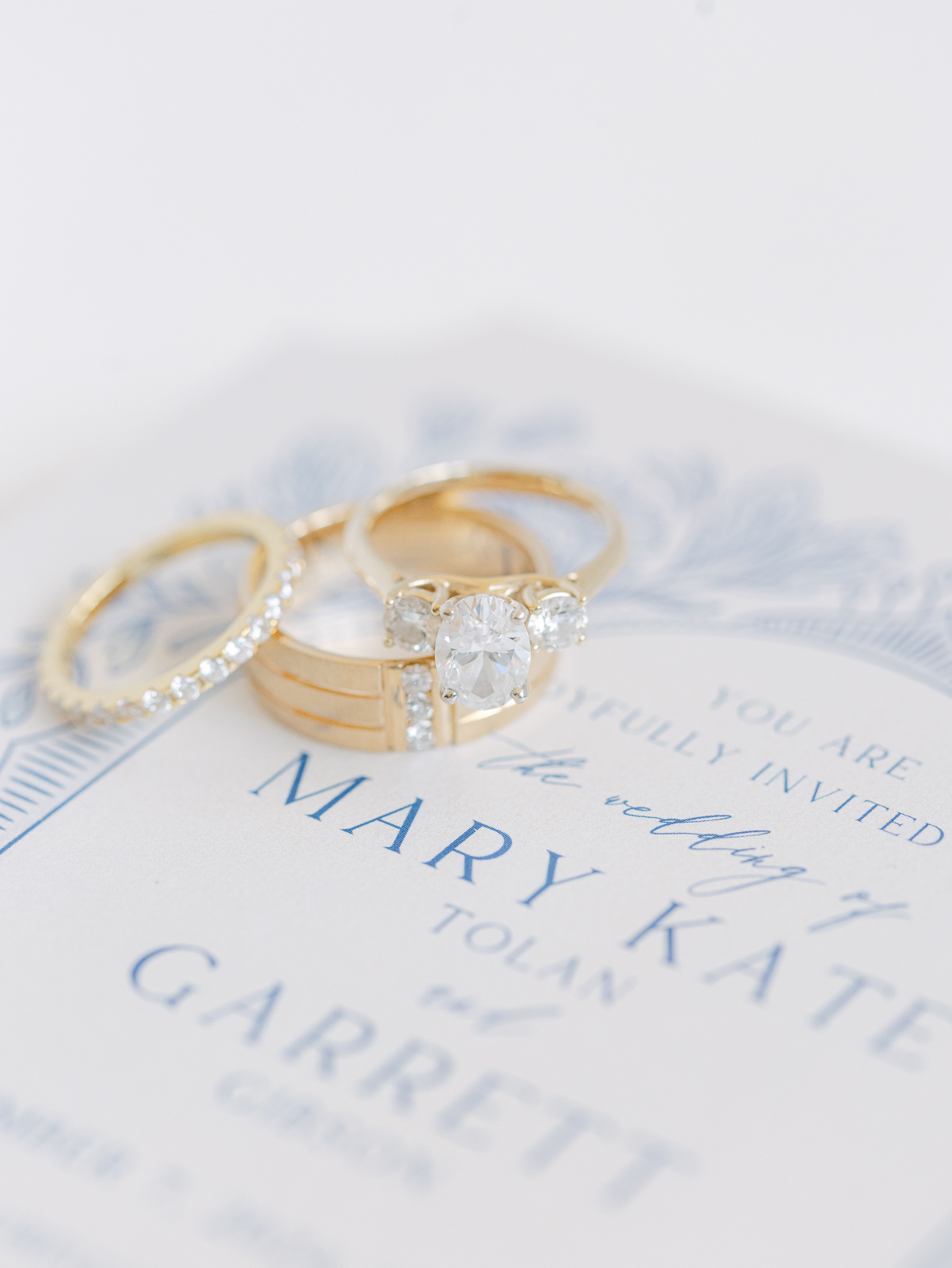
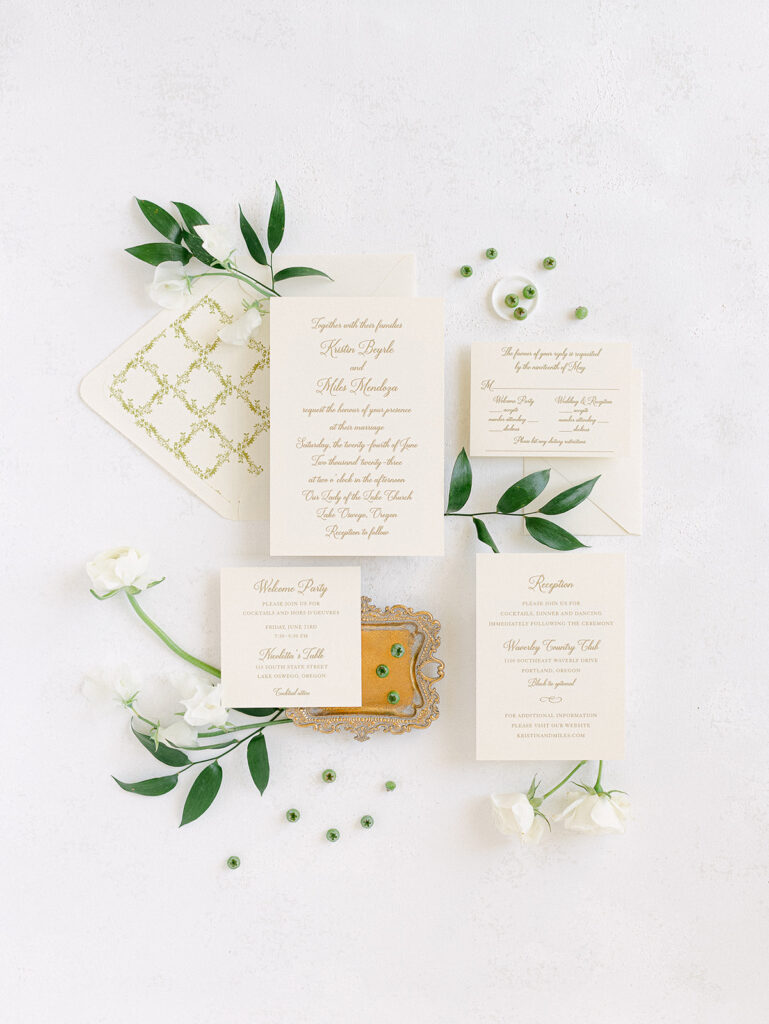
Wedding detail photos like your invitations, rings, shoes, jewelry, perfume, and heirlooms take time to style properly. These images may look effortless in a gallery, but they require careful placement, good light, and thoughtful composition.
If possible, I always recommend photographing these items the day before the wedding. This allows your photographer to work without time pressure. However, if this is not possible, I recommend allowing at least 60 to 90 minutes on the wedding day for detail photos.
Getting Ready Always Takes Longer Than You Expect
I always recommend scheduling at least 30 minutes for getting into your dress, shoes, and jewelry. This is one of the areas where couples often think they need less time. However, buttons, bustle ties, jewelry clasps, and emotional moments with family naturally slow things down.
Pro tip: Schedule 10 to 15 minutes of bridal portraits immediately after you get into your gown. Your hair and makeup will be fresh, your excitement will be high, and window light portraits during this time often become some of the most loved images in a wedding gallery.
Plan First Looks With Family Into Your Timeline
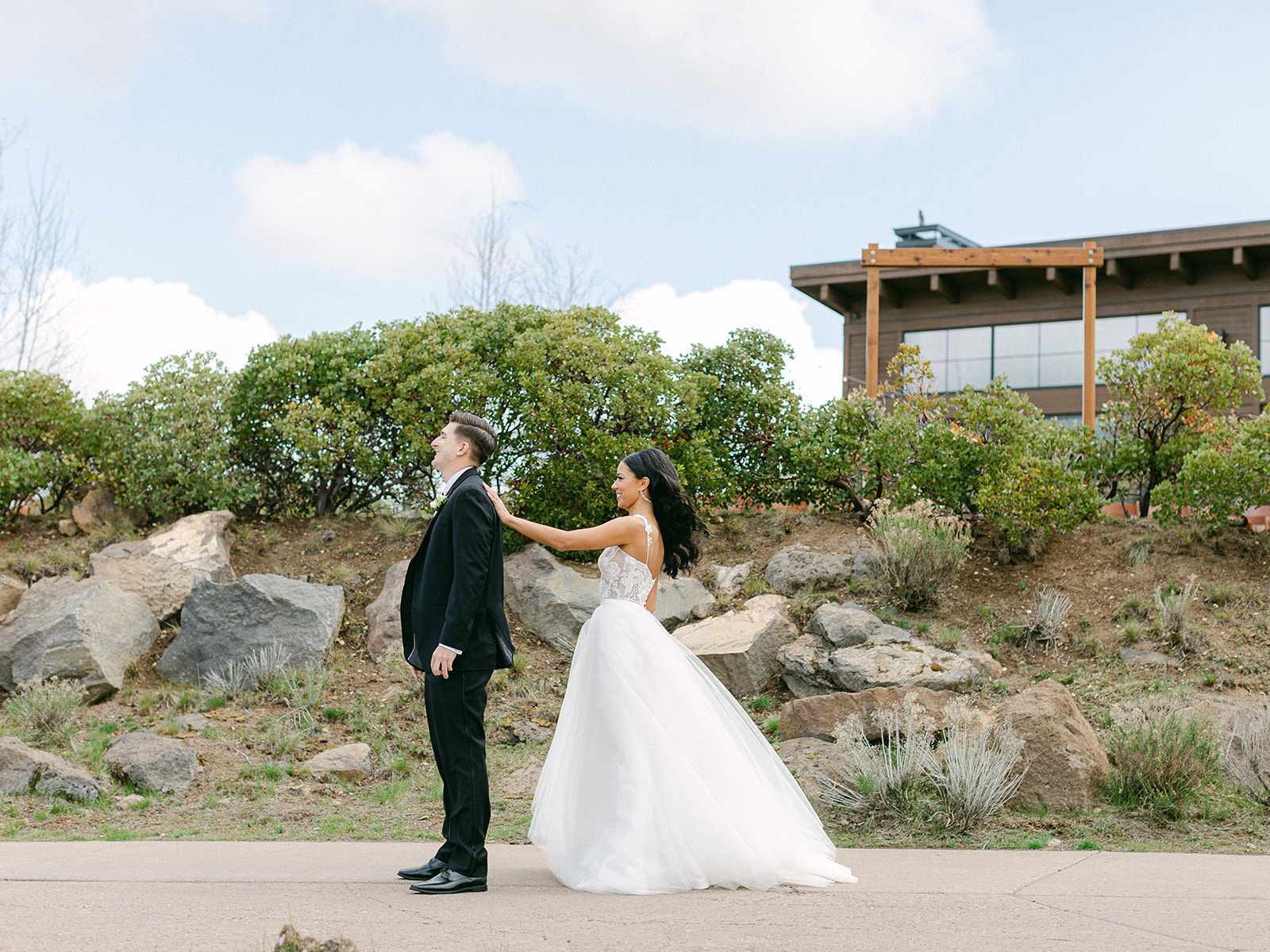
First looks are not just for couples. Many brides also plan first looks with their dad, bridesmaids, grandparents, or siblings. These moments are incredibly meaningful, but they must be scheduled intentionally.
Unplanned first looks can easily add 20 to 30 unexpected minutes and create stress before the ceremony. Instead, build these moments directly into your timeline so you can enjoy them without feeling rushed.

Add Transition Time Between Major Events
One of the simplest wedding timeline tips I give couples is to add 10 to 15 minute transition buffers between major events.
For example:
- Getting ready to first look
- Portraits to ceremony
- Ceremony to family photos
These transition periods allow time for travel, touch ups, restroom breaks, or small delays. In addition, they help everyone move from one part of the day to the next without feeling pressured.
First Look or No First Look: How This Decision Shapes Your Timeline
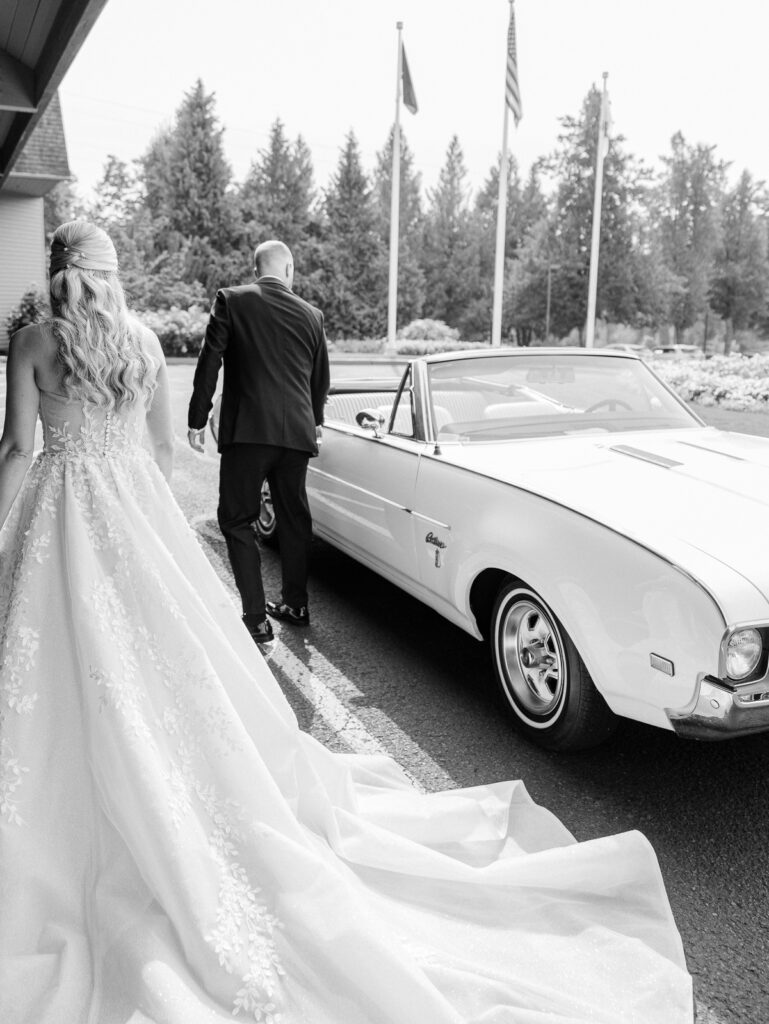
Deciding whether to do a first look is one of the biggest factors when building a wedding timeline.
If you choose to do a first look, I recommend scheduling most of your portraits immediately afterward. This typically includes:
- Couple portraits
- Wedding party photos
- Family photos
This approach allows you to attend your cocktail hour and spend more time with guests.
If you decide not to do a first look, I recommend completing as many wedding party and family photos separately before the ceremony as possible. This helps reduce the number of photos needed afterward.
Read more about how to decide if a first look is right for you.
Schedule Time Alone After Your Ceremony
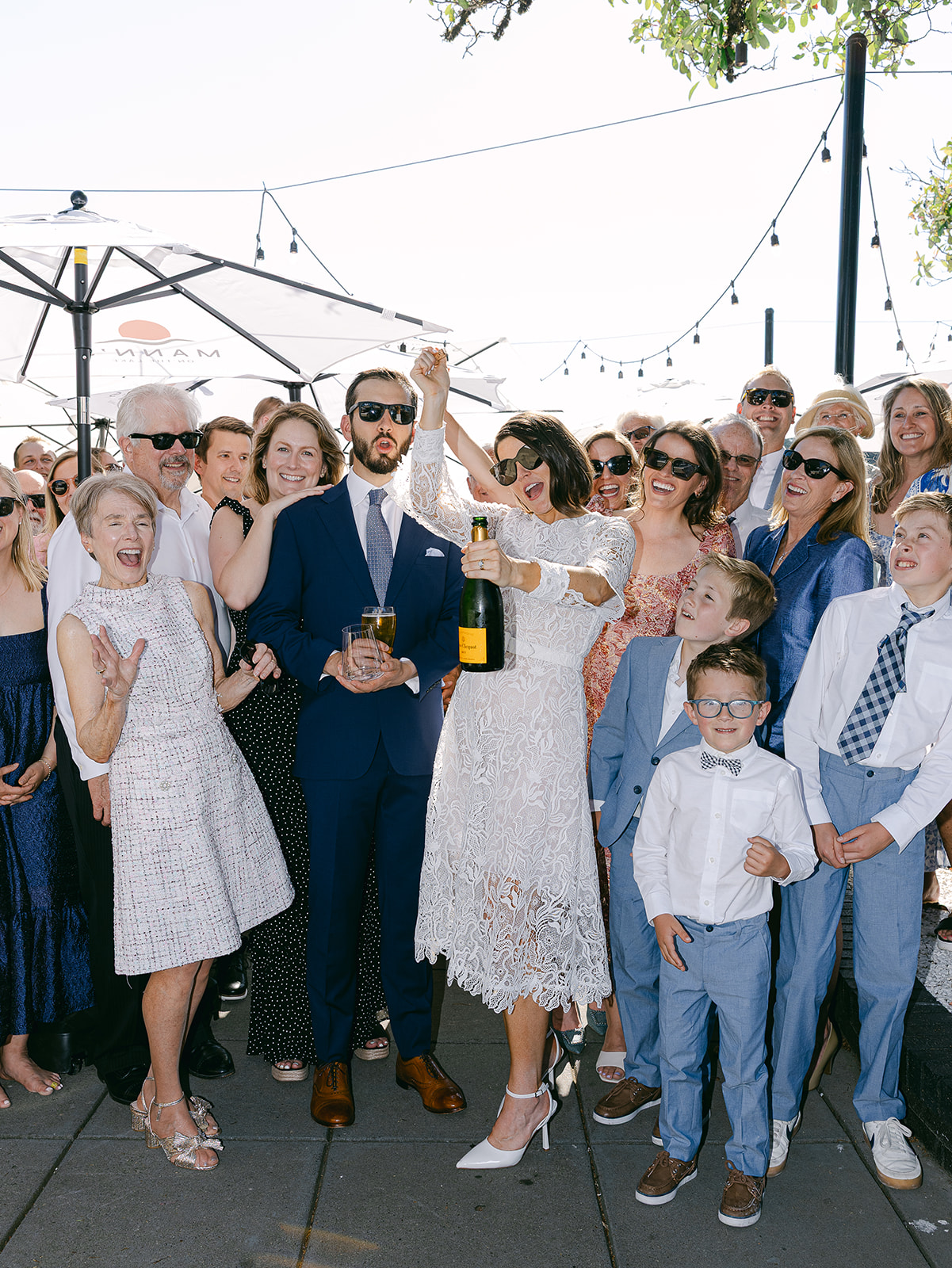
One of the most overlooked wedding timeline tips is scheduling 10 to 15 minutes alone together immediately after your ceremony.
This gives you a chance to:
- Take a breath
- Process the ceremony
- Be together privately
- Reset before the reception begins
Many couples say this becomes one of their favorite parts of the day.
Protect Your Sunset Portrait Time
Sunset photos often become some of the most beautiful images from a wedding day. However, speeches frequently run longer than expected and can accidentally overlap with sunset.
To prevent this, I recommend scheduling sunset portraits before speeches begin or well before the planned sunset time. This ensures you do not lose that beautiful light and also allows speakers to share without feeling rushed.
Sample Wedding Timeline With a First Look
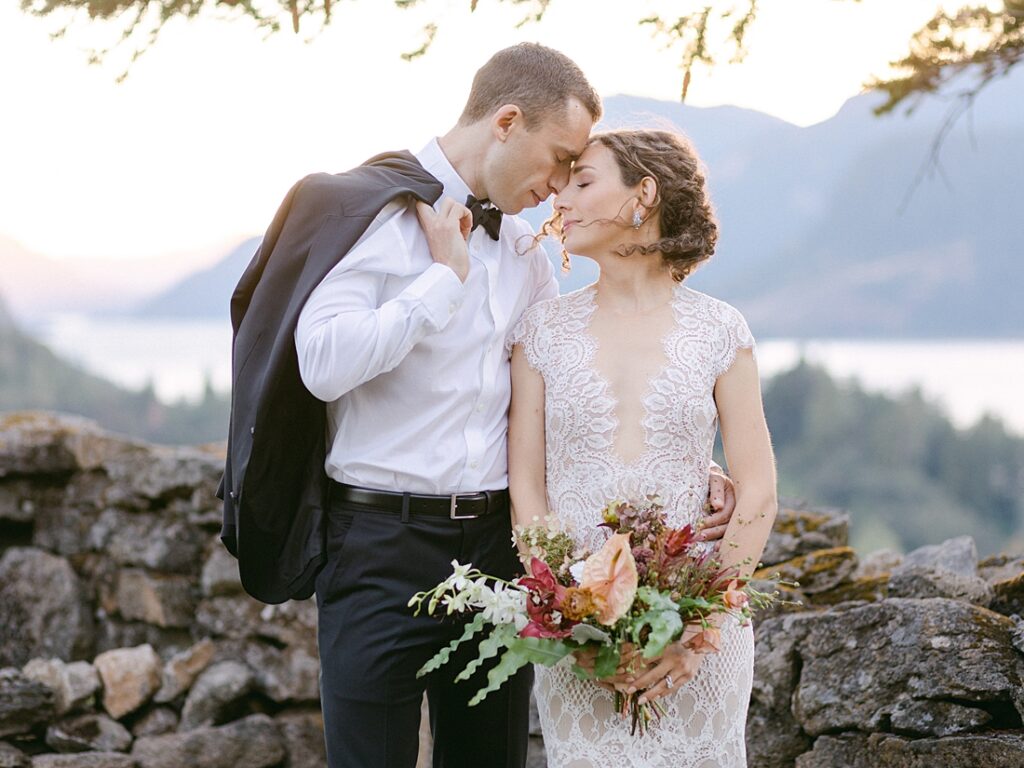
Every wedding day is different. However, this sample wedding timeline shows how a wedding day can flow when you choose to do a first look. This example assumes a wedding party of four on each side and minimal travel between locations. Larger wedding parties, travel time, and additional family photo combinations may require extra time.
Getting Ready and Detail Photos Timeline Example
60 minutes for detail photos (rings, invitations, gown, shoes, and other meaningful items)
30 minutes for groom and groomsmen getting ready photos
15 minutes for groom portraits
45 minutes of hair and makeup photos for bride and bridesmaids
30 minutes for photos of the bride getting into her gown, shoes, and jewelry
10 minutes for window light bridal portraits
10 minute transition to the first look location
First Look and Portrait Timeline Example
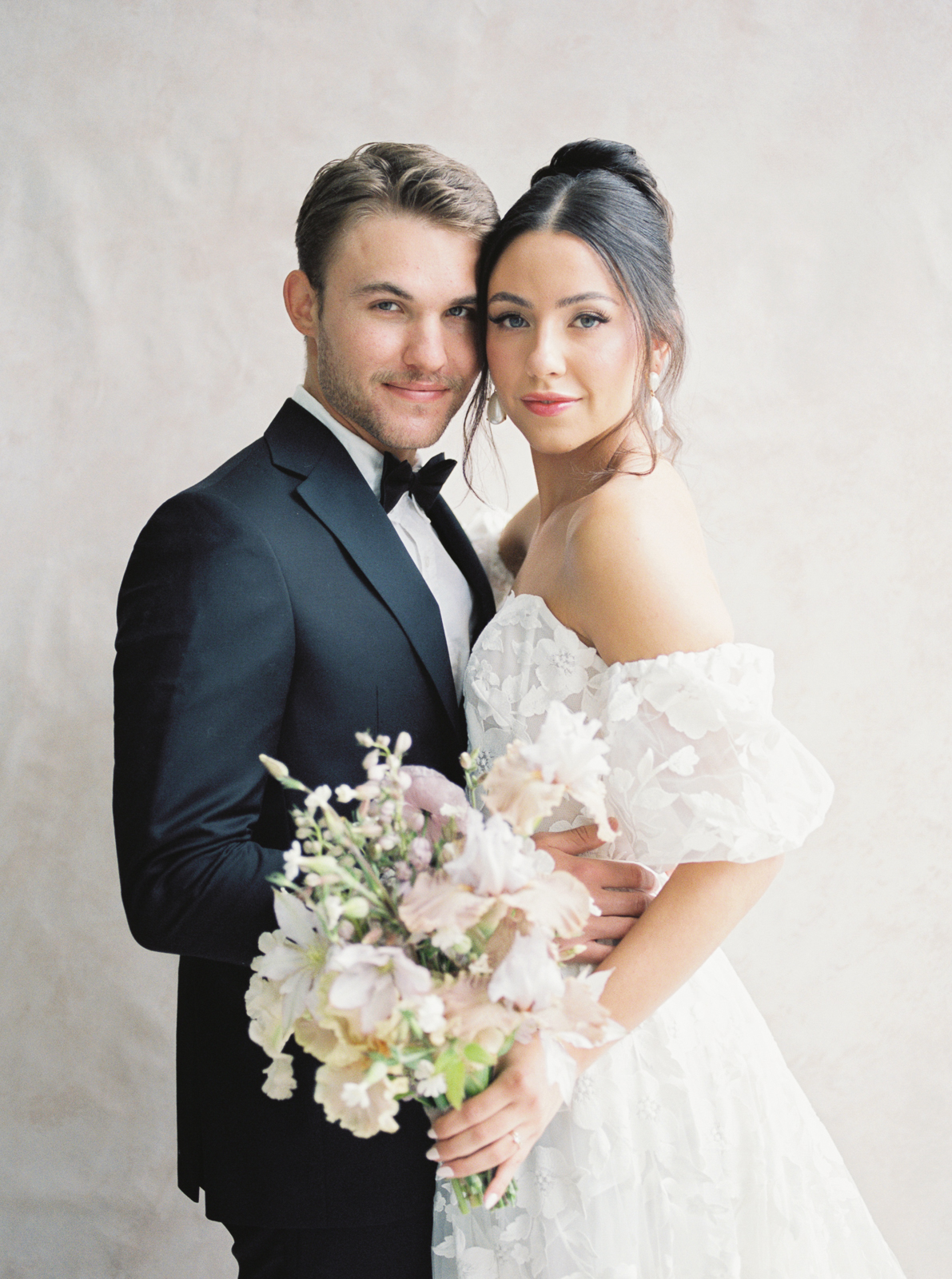
15 minutes for the first look
30 minutes for couple portraits
15 minutes for bridesmaids portraits
15 minutes for groomsmen portraits
15 minutes for full wedding party portraits
30 to 45 minutes for family photos (a good rule is about 3 minutes per family grouping)
Pre Ceremony Buffer Time
30 minutes before the ceremony, I always recommend stopping all photos. This gives you time to freshen up, drink some water, have a snack, and mentally prepare for the ceremony. This small buffer makes a big difference in how relaxed you feel walking down the aisle.
Pro tip: The queen of weddings herself (Martha Stewart) laid out the “how to’s” when it comes to ceremony outlines.
Post Ceremony and Cocktail Hour Flow
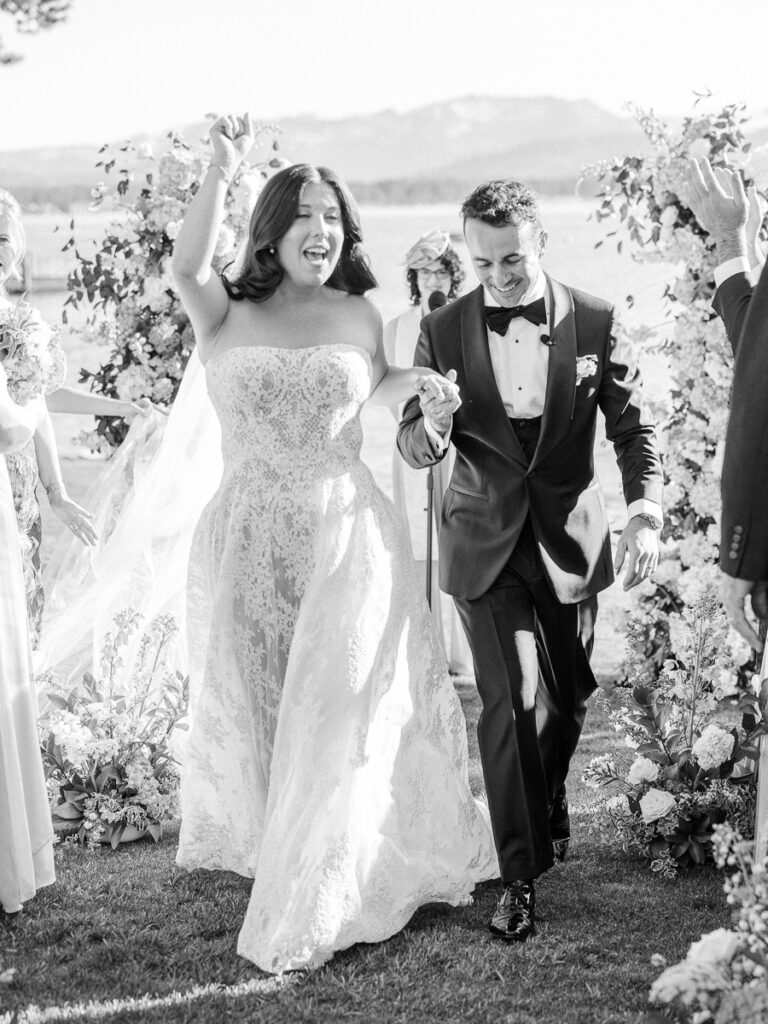
10 minutes of breathing room immediately after the ceremony
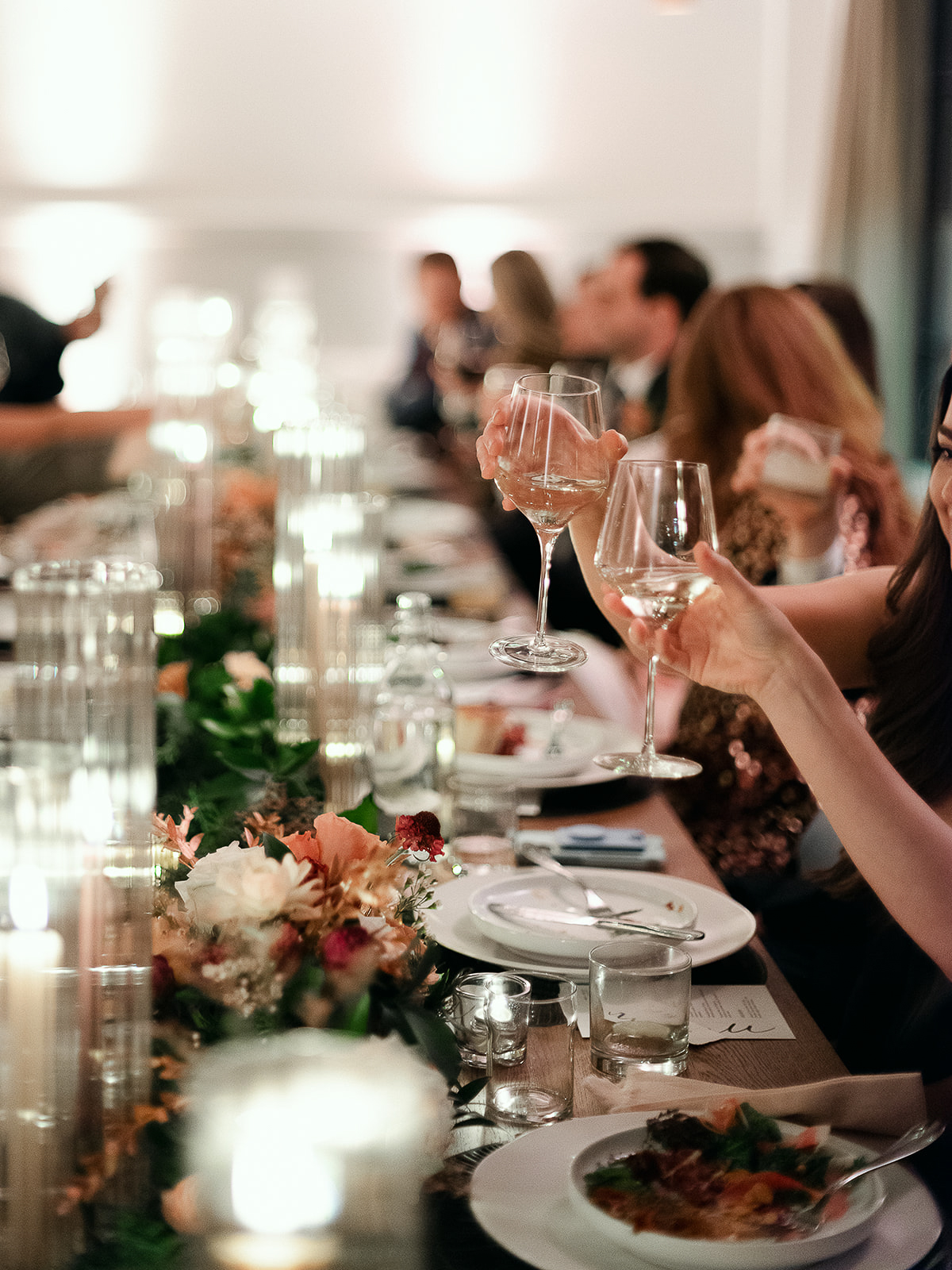
60 minutes for cocktail hour and any remaining group photos
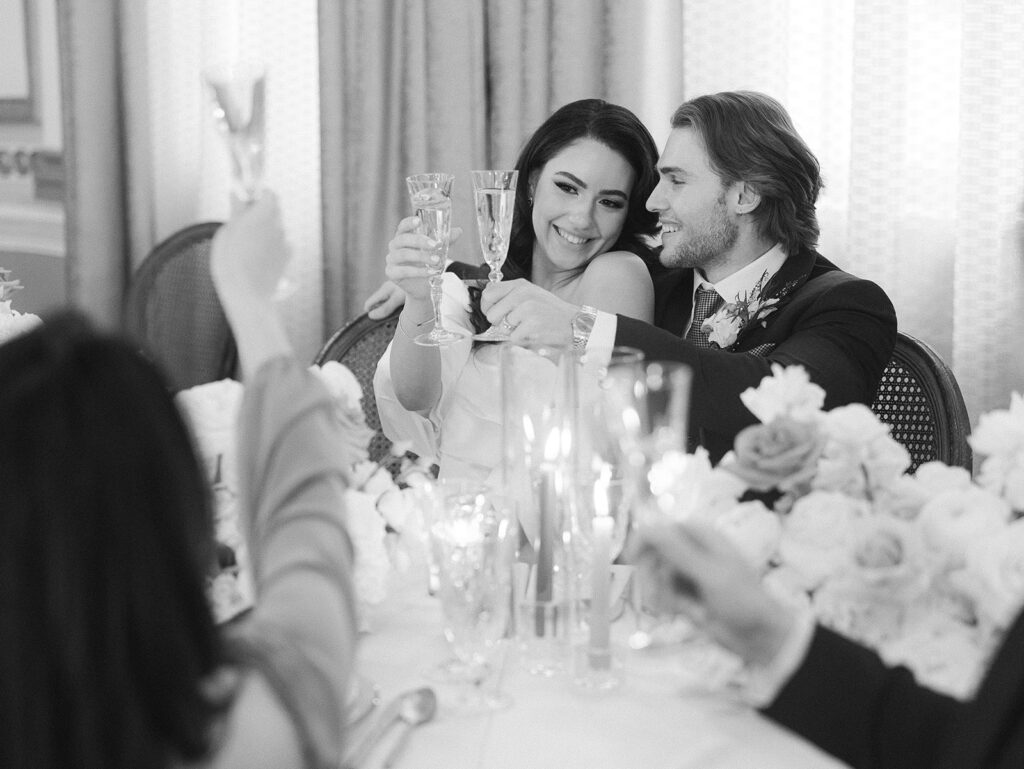
Reception time can flow however you prefer. I typically recommend scheduling speeches and first dances after sunset photos or well before sunset so you do not risk missing that ideal light.
Sample Wedding Timeline Without a First Look
If you decide not to do a first look, your timeline will simply shift where portraits happen rather than reducing the total amount of photo time needed. This sample wedding timeline shows how a day can flow without a first look while still keeping the day relaxed and organized. This example also assumes a wedding party of four on each side.
Getting Ready and Morning Timeline Example
60 minutes for detail photos (rings, invitations, gown, and meaningful details)
30 minutes for groom and groomsmen getting ready photos
15 minutes for groom portraits
45 minutes of hair and makeup photos for bride and bridesmaids
30 minutes for photos of the bride getting into her gown, shoes, and jewelry
10 minutes for window light bridal portraits
10 minute transition to portrait location
Pre Ceremony Portrait Plan Without a First Look
15 minutes for bridesmaids portraits
15 minutes for groomsmen portraits
30 to 45 minutes for family photos (a good guideline is about 3 minutes per family grouping)
30 minutes before the ceremony, stop all photos. Use this time to freshen up, hydrate, eat something small, and take a quiet moment before the ceremony begins.
Post Ceremony Portrait Flow
10 minutes of breathing room after the ceremony
20 minutes for couple portraits
20 minutes for remaining family photos
15 minutes for full wedding party portraits
Reception time can flow however you prefer. I recommend scheduling speeches and first dances either after sunset photos or well before sunset so you do not risk missing that ideal portrait time.
Things That Can Affect Your Wedding Timeline
Even the best wedding timeline tips need flexibility. Every wedding is unique, and several factors can affect how much time you should allow throughout your day. When planning your wedding timeline, consider these common factors that may require adjustments.
Larger wedding parties
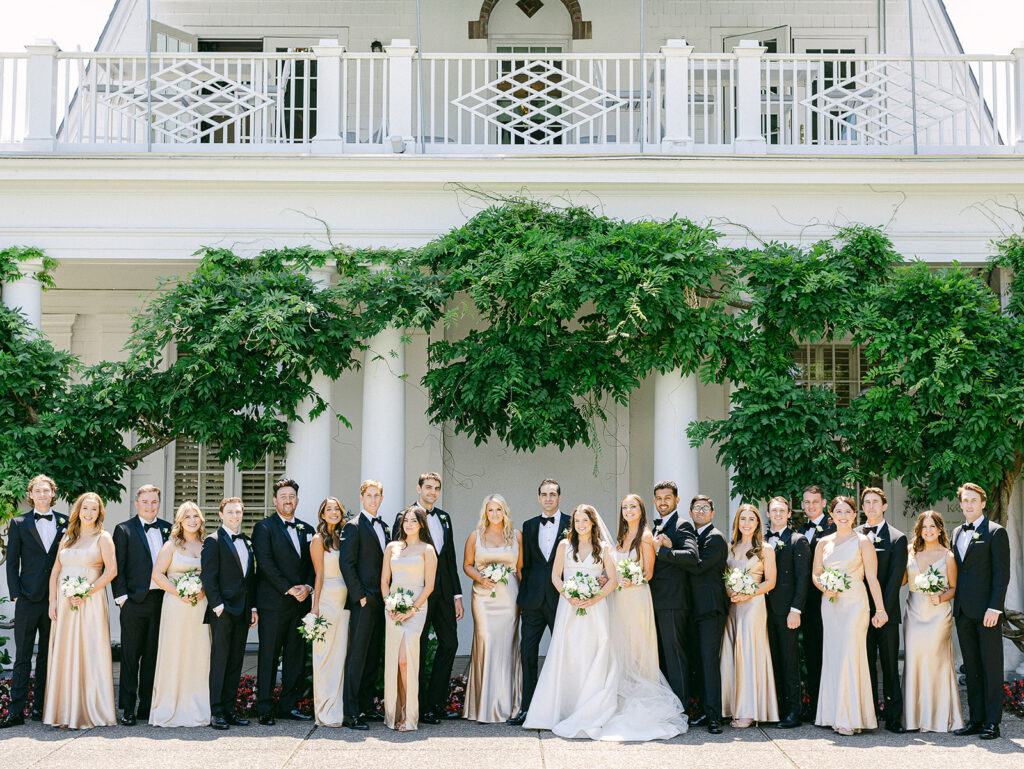
A larger wedding party typically means more time is needed for portraits, organizing groups, and transitions between locations. Adding even two additional people can add several minutes to each photo section.
Travel time between locations
If your getting ready location, ceremony site, and reception venue are in different places, travel time must be carefully planned. In addition, always add a small buffer in case of traffic or delays.
Larger family photo groupings
Family photos often take longer than couples expect, especially when there are many combinations requested. A good guideline is about three minutes per grouping. Having a pre planned family photo list also helps keep this part of the day running smoothly.
Additional first looks
First looks with parents, wedding party members, or grandparents are incredibly meaningful. However, each one should have time intentionally built into the timeline so nothing feels rushed.
Frequently Asked Questions About Wedding Timelines
How long should wedding photos take on a wedding day?
I typically plan between 4 and 6 hours of photography time for portraits throughout the day, depending on whether you choose to do a first look. This usually includes getting ready photos, couple portraits, wedding party photos, and family photos. A well planned wedding timeline helps make sure all of these moments fit comfortably into your day.
How early should wedding photos start?
I like to start coverage around 2 to 3 hours before the ceremony depending on how many details and getting ready moments you want documented. If you want a relaxed morning with time for detail photos and candid moments, starting earlier usually makes the day feel much less rushed.
Should you do a first look?
There is no right or wrong answer. I like to help my couples talk through what matters most to them when deciding. A first look allows you to complete most portraits before the ceremony, enjoy your cocktail hour and usually couples end up with more portrait photos togerther. However, some couples prefer the tradition of seeing each other for the first time at the ceremony. The best choice is the one that fits your priorities and how you want your day to feel.
How many family photos should you plan for?
I typically recommend keeping family photo combinations to about 10 to 15 groupings if possible. When I help build a wedding timeline, I usually allow about 3 minutes per grouping. Creating a pre planned list also helps this part of the day move quickly and smoothly.
How do you make a wedding day timeline?
I like to start with your ceremony time and work backwards. From there, I help couples add time for getting ready, portraits, travel, and transition space between events. Working with an experienced Oregon wedding photographer and planner can also help you create a timeline that feels natural and stress free.
Final Thoughts on Planning Your Wedding Timeline
If there is one thing I always tell couples, it is that a great wedding timeline is not about packing in as much as possible. It is about creating space for the moments you will actually remember. Some of the biggest timeline mistakes I see are not allowing enough time for getting ready, skipping buffer time between events, or trying to fit too many things into a tight schedule.
The best timelines allow flexibility. Even with the best planning, weddings are emotional, dynamic days. Building in extra time helps you stay present instead of feeling rushed if something runs behind.
I also always recommend working with experienced vendors when building your wedding timeline. An experienced planner and photographer can help you anticipate how long things really take and help you create a timeline that feels natural instead of forced. This is something I help all of my couples with so they can enjoy their day instead of worrying about what comes next.

If you are currently planning your wedding and looking for more helpful resources, you may also find these posts helpful as you continue planning:
- 50+ of the best Pacific Northwest wedding venues
- Expert tips and advice for hiring an experienced wedding planner
- Tips to make family photos stress free at your wedding
If you are planning a wedding in Oregon or anywhere in the Pacific Northwest and want help creating a wedding timeline that allows you to actually enjoy your day, I would love to connect and hear what you are planning. You can learn more about working together or reach out here.